How Denver Weather Affects Your Home: Water Damage Restoration Prevention Tips
Published: 2026-04-19 · By AmazingPro Emergency Water Damage
Imagine waking up to a heavy hailstorm battering your Denver home. As you scramble to secure windows and doors, the realization hits: your roof has sprung a leak, and the impending meltdown from the spring sun is just days away. Colorado's rapidly changing weather patterns can be a silent enemy to homeowners, leading to water damage if not adequately addressed. In a region where freeze-thaw cycles are commonplace, being unprepared for water intrusion could mean expensive repairs or worse, long-term structural issues.
Why This Matters for Denver Homeowners
Water damage isn’t just an inconvenience; it can create health hazards, damage your property, and complicate any future sales. Denver homeowners may feel especially vulnerable during the spring thaw when heavy snowfall quickly transforms into water runoff, significantly increasing the risk of basement flooding and foundation erosion. Expansive clay soils common in Denver can further exacerbate these problems, as soil shifts can compromise drainage and lead to unwanted water pooling around your home.
Moreover, many homes in the Denver area are at risk due to poor grading and inadequate gutter systems, allowing rain and melted snow to infiltrate easily. This pooled water may gradually lead to mold growth, which poses serious health risks and complicates any restoration efforts. As such, taking proactive measures becomes essential in this specific climate.
Ignoring the signs of potential water damage isn't a luxury Denver homeowners can afford, particularly considering the unique challenges our weather presents.
Expert Solutions & Actionable Tips
1. Regular Roof Maintenance
Inspect your roof twice a year for missing shingles or leaks, especially after snowstorms. Engaging a local contractor for an annual roof inspection could cost around $200 to $400. Solid roofing can help prevent leaks from heavy rain or melting snow in spring.
Don't forget about clearing your gutters regularly, too. A clogged gutter can overflow and cause significant water damage during a sudden thaw. You can hire professionals for this task at an average cost of $90 to $200 per cleaning, but a simple DIY job with the right ladder and tools could save you hundreds.
2. Check Your Sump Pump
Sump pumps are your home’s first line of defense against flooding, especially in spring. Test your sump pump monthly to ensure it’s functional. Replacement costs can run from $150 to $300, but investing early can save you thousands in basement repairs later.
In Denver, with the rapid snowmelt in spring, sump pumps should be prepared for the surge of water incoming. Consider upgrading to a backup battery-powered pump to stay protected during power outages, often costing an additional $150 to $300.
3. Proper Landscaping and Grading
Landscaping around your home can significantly affect how water drains away. Ensure your flower beds slope away from your foundation. Hiring a landscaper to optimize this can cost between $300 to $700, but it’s a crucial investment.
Creating a drainage strategy using rain gardens, swales, or French drains can mitigate surface runoff. Implementing such measures could cost $1,000 or more, but the long-term savings and protection are invaluable.
4. Seal Your Foundation
Cracks in your foundation can be a gateway for water intrusion. Inspect your foundation for any visible cracks and seal them with a waterproof concrete repair compound. This process can cost around $300 to $800 depending on the extent of repairs needed.
Additionally, consider a professional inspection, especially if you notice shifting in your home. Preventive measures taken early can save you from extensive repairs in the future.
5. Monitor Interior Moisture Levels
Utilizing hygrometers in your home can help you monitor interior moisture levels. Ideally, indoor humidity should remain between 30-50%; higher levels can encourage mold growth. These devices can be picked up for $20 to $50.
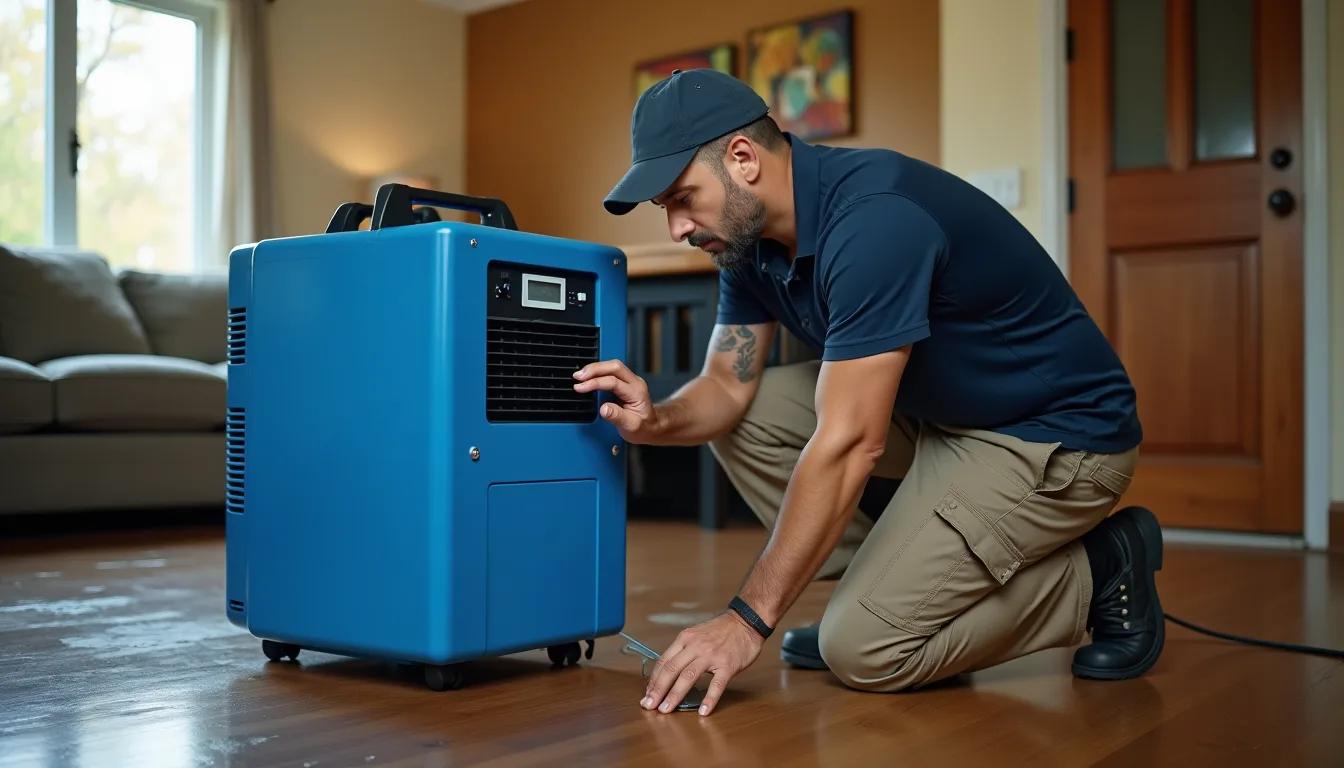
When moisture levels creep up, using dehumidifiers will not only protect your indoor air quality but also shield your home from potential water damage.
6. Understand Insurance Policies
Reviewing your homeowner’s insurance policy to understand water damage coverage is crucial. Be aware of what types of damage are covered. Having an insurance policy that includes flood coverage might cost an additional $200 to $500 annually based on your needs.
Consider consulting with your insurance agent to clarify what potential repairs might be covered in the event of water damage following a storm.
Denver Climate & Local Context
Denver's unpredictable climate poses a unique challenge to homeowners, meaning proactive water damage restoration measures are essential. The rapid temperature swings can leave homes vulnerable during the spring thaw when accumulated snow begins to melt rapidly. With many residences built on expansive clay soils, special attention must be paid to drainage systems to prevent costly water damage.
Local building codes often require proper grading and drainage to mitigate risks, but many homeowners may not be fully aware of these regulations. When considering renovation or repair, it's vital to consult with local experts who understand Denver’s soil and climate nuances to meet code requirements effectively.
When to Call a Professional
While it’s tempting to tackle water damage repairs as DIY projects, some scenarios necessitate the expertise of professionals. When you notice water pooling inside your home or extensive mold growth, reach out to specialists like AmazingPro Emergency Water Damage. Mismanaging water damage can exacerbate the situation, leading to higher costs and more significant health hazards.
- Severe flooding in your basement
- Visible mold exceeding 10 square feet
- Structural damage detected
- Water stains appearing on ceilings or walls
- Electrical issues occurring due to water damage
In these instances, prompt action is essential to prevent worsening conditions and save both time and money on repairs down the line.
Frequently Asked Questions
What should I do immediately after water damage occurs?
When you experience water damage, prioritize safety first. Turn off electricity in affected areas and contact AmazingPro Emergency Water Damage right away for professional assistance tailored to Denver's specific challenges.
How long does water damage restoration usually take?
The duration of water damage restoration can vary based on the severity of the damage. Generally, the process can take anywhere from a few days to a couple of weeks, depending on the extent of repairs needed.
Can I rely on my homeowner's insurance for water damage restoration?
Most homeowner's insurance policies will cover water damage, but the type of damage covered varies. It's crucial to review your specific policy details and consult with your provider for clarity.
Is mold a concern after water damage?
Yes, mold can develop within 24 to 48 hours of water exposure. If you notice any signs of mold, contacting a restoration expert immediately is essential to mitigate health risks.
What is the first thing I should do if my basement floods?
If your basement floods, turn off all power to the area and call a water damage restoration professional like AmazingPro Emergency Water Damage to ensure safe and thorough cleanup.
Get Expert Water Damage Restoration Service in Denver
Don’t let Denver's unpredictable weather catch you off guard. Proactively address potential water damage with preventative measures to protect your home. Ensure your home is safeguarded against spring thaws, hail storms, and heavy snowmelt.
For emergency water damage restoration services in Denver, contact AmazingPro Emergency Water Damage at (719) 230-3060. Our dedicated experts are ready to assist you in preserving your home.
Related Services
More Articles
Common Water Damage Restoration Myths Debunked by Denver Experts
2026-04-19
Water Damage RestorationWhat to Expect During a Professional Water Damage Restoration Assessment
2026-04-19
Water Damage RestorationTop 10 Water Damage Restoration Prevention Tips Every Denver Homeowner Should Know
2026-04-19