What to Expect During a Professional Water Damage Restoration Assessment
Published: 2026-04-19 · By AmazingPro Emergency Water Damage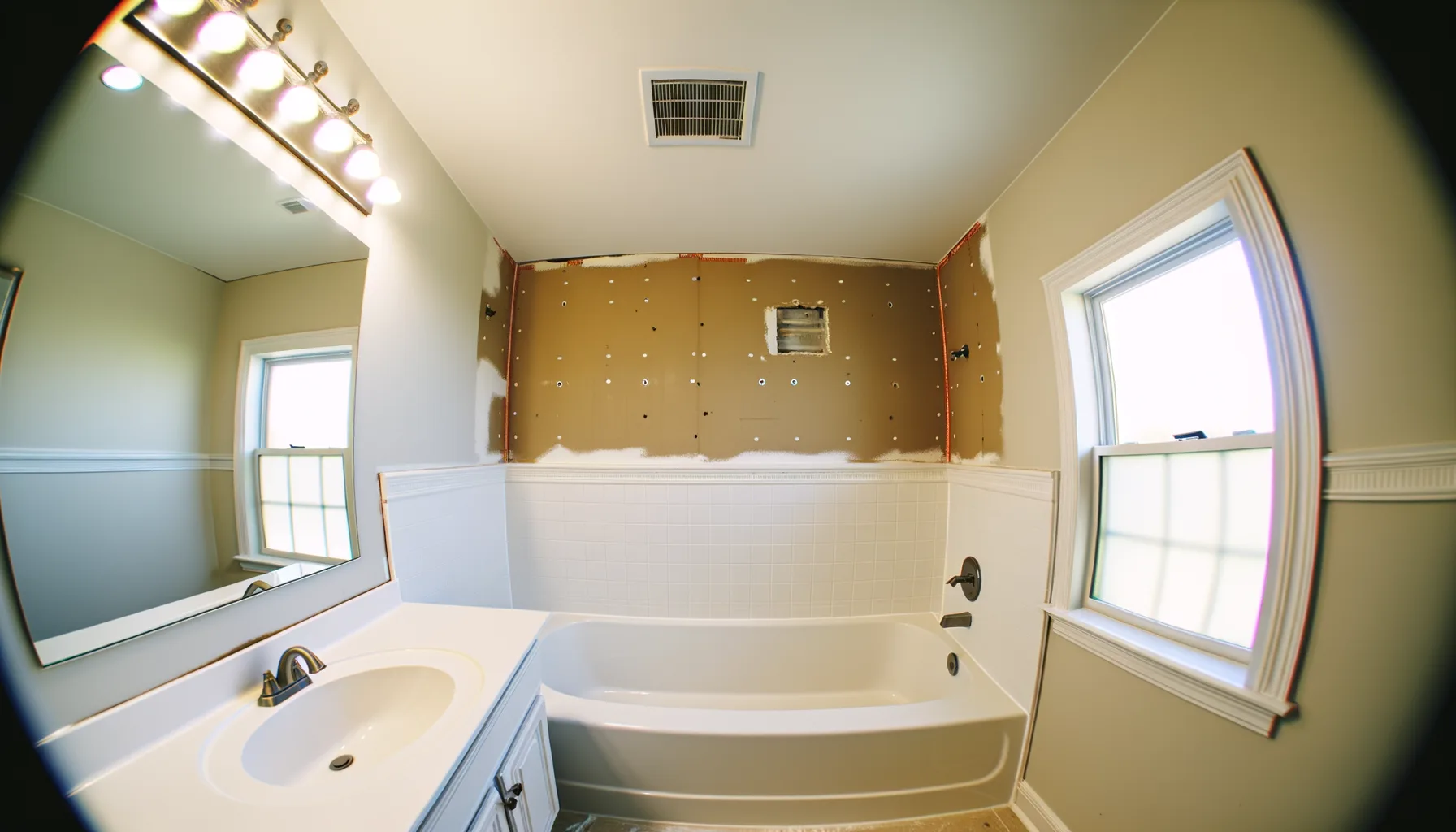
Imagine waking up on a chilly Denver morning, only to find water pooling in your basement, a result of last night's heavy snowfall and rapid temperature swings. As you stand there, the reality of potential water damage hits you hard. The unpredictable Colorado weather plays a significant role in these scenarios, often catching homeowners off guard. Understanding what a professional water damage restoration assessment involves can not only save you time and money but also give you vital information for protecting your home from further damage.
Why This Matters for Denver Homeowners
Water damage is more than just a nuisance; it can jeopardize the integrity of your home. Denver's unique climate—with its rapid temperature swings, hail storms, and significant spring snowmelt—creates a perfect storm for water damage incidents. Many homes are built on expansive clay soils, which complicate drainage and increase the risk of flooding during melt seasons.
As the spring thaw occurs, the freeze-thaw cycles can exacerbate plumbing ruptures, leading to more severe damage that requires extensive remediation. Addressing water damage quickly is critical, as delays can result in mold growth and costly repairs that can skyrocket within days.
Consider this: nearly one in five homeowners in Colorado experiences water damage every year. Are you prepared to handle such risks? Not being informed about restoration processes can leave your home vulnerable.
Expert Solutions & Actionable Tips
1. Understanding the Assessment Process
During an assessment, a trained technician will evaluate the extent of the water damage through visual inspections and moisture mapping to identify hidden moisture. This can involve cutting into drywall or flooring to understand moisture levels and expenses typically range from $200 to $500 for an initial assessment in Denver.
After the assessment, you'll receive a detailed report outlining necessary repairs and an estimate of costs. This ensures transparency, allowing you to budget appropriately for potential restoration work.
2. Documenting Damage for Insurance Claims
When it comes to insurance, documentation is crucial. Take detailed photos and videos of the damage right after the incident; this evidence can be invaluable for your claim. Engaging with your insurance provider and submitting these visuals can speed up your processing time. Typically, expect to wait a few days for initial responses to claims.
Many homeowners in Denver neglect this step, which can lead to denied claims or covered repairs not being fully addressed. Remember to get a full report from the restoration company as part of your documentation.
3. Identifying Signs of Water Damage
Recognizing early signs of water damage can save you from facing major repairs. Check areas such as basements or around windows for discoloration, damp smells, or warped surfaces. In the Denver climate, especially after significant hail or storms, it's common for homes to develop leaks that can quickly escalate.
Routine checks—especially after heavy rainfall or storms—are critical. Regular preventive inspections are often less than $100, but can help you avoid unforeseen costs down the road.
4. Timelines for Restoration
The restoration process in Denver can vary based on the severity of water damage. Minor issues can take only a few days to address, while extensive damage might require weeks. Provided your home requires less than 10% of repairs to flooring or drywall, many restoration companies work efficiently within targeted timelines.
However, in severe cases—especially those influenced by our local weather patterns—homeowners could see delays due to permit issues or weather-related obstacles.
5. The Importance of Professional Help
While DIY repairs may seem tempting, calling in professionals is often necessary for more significant problems. Professionals deploy specialized equipment that most homeowners lack, making restoration quicker and more thorough. This is especially true in Denver, where weather-influenced damages require precise remediation techniques.
Realizing the difference between preventive tasks and professional repair can significantly impact your finances and home value.
6. Preparing for Aftermath
Post-assessment, it's crucial to be aware of how to protect your home while repairs are underway. Simple measures include using dehumidifiers and fans to control moisture and prevent mold growth. Keeping windows open for ventilation can also help.
The average cost for temporary fans and dehumidifiers can range from $100 to $300, but they are effective in minimizing long-term damage during the assessment period.
Denver Climate & Local Context
Denver's climate features sharp fluctuations in weather that directly impact local homes. Rapid temperature swings during spring can lead to freeze-thaw cycles, which place excess pressure on not only your home's plumbing but also its structure. Coupled with the prevalent expansive clay soils in the area, many homes are at heightened risk of water-related issues.
Local building codes require specific drainage solutions to manage melting snow and heavy rainfall effectively. Homeowners must be proactive about adhering to these regulations to minimize long-term risks. Regular inspections are crucial to ensure drainage systems are functioning as intended.
When to Call a Professional
Deciding whether to tackle water damage on your own can be a tough call. A useful guideline is to consider the severity and scale of the issue. Professional restoration services should be called if the damage is extensive, with significant water pooling, or when structural integrity is at stake. Clear indications include:
- Visible mold growth exacerbating
- Walls or floors that are sagging
- Water has been pooling for more than 24 hours
- Strong odors indicating potential contamination
- Electrical systems affected
- Past water damage not properly addressed
- Your insurance policy requires professional intervention
- Challenging access to the damaged area
Taking immediate action is vital, as it can prevent long-term consequences and extensive repairs later on.
Frequently Asked Questions
What should I do immediately after discovering water damage?
First, ensure your safety by turning off any electrical appliances in the affected area. Then, contact AmazingPro Emergency Water Damage to assess and address the situation.
How long does a water damage restoration typically take?
Restoration timelines may vary; minor cases can be resolved in a few days, whereas severe damage might require several weeks, depending on the situation.
Will my insurance cover water damage repairs?
Coverage typically depends on the source of damage. It's vital to check with your insurance provider and document all damages for accurate claims.
Should I try to clean up water damage myself?
DIY methods are only advisable for minor spills. For significant issues, it’s best to call a professional to avoid worsening the situation.
What are the long-term implications of untreated water damage?
Ignoring water damage can lead to persistent mold growth, structural weakening, and substantial repair costs that can compound over time.
Get Expert Water Damage Restoration Service in Denver
Don't let water damage put your home at risk—act swiftly! Contact (719) 230-3060 to schedule a professional assessment with AmazingPro Emergency Water Damage today. You can trust our local expertise in managing the unique challenges that Denver homeowners face.
Take the first step toward a safer home. Reach out now!

Related Services
More Articles
Common Water Damage Restoration Myths Debunked by Denver Experts
2026-04-19
Water Damage RestorationHow Denver Weather Affects Your Home: Water Damage Restoration Prevention Tips
2026-04-19
Water Damage RestorationTop 10 Water Damage Restoration Prevention Tips Every Denver Homeowner Should Know
2026-04-19