How Long Does Professional Water Damage Restoration Take? Timeline Guide
Published: 2026-04-19 · By AmazingPro Emergency Water Damage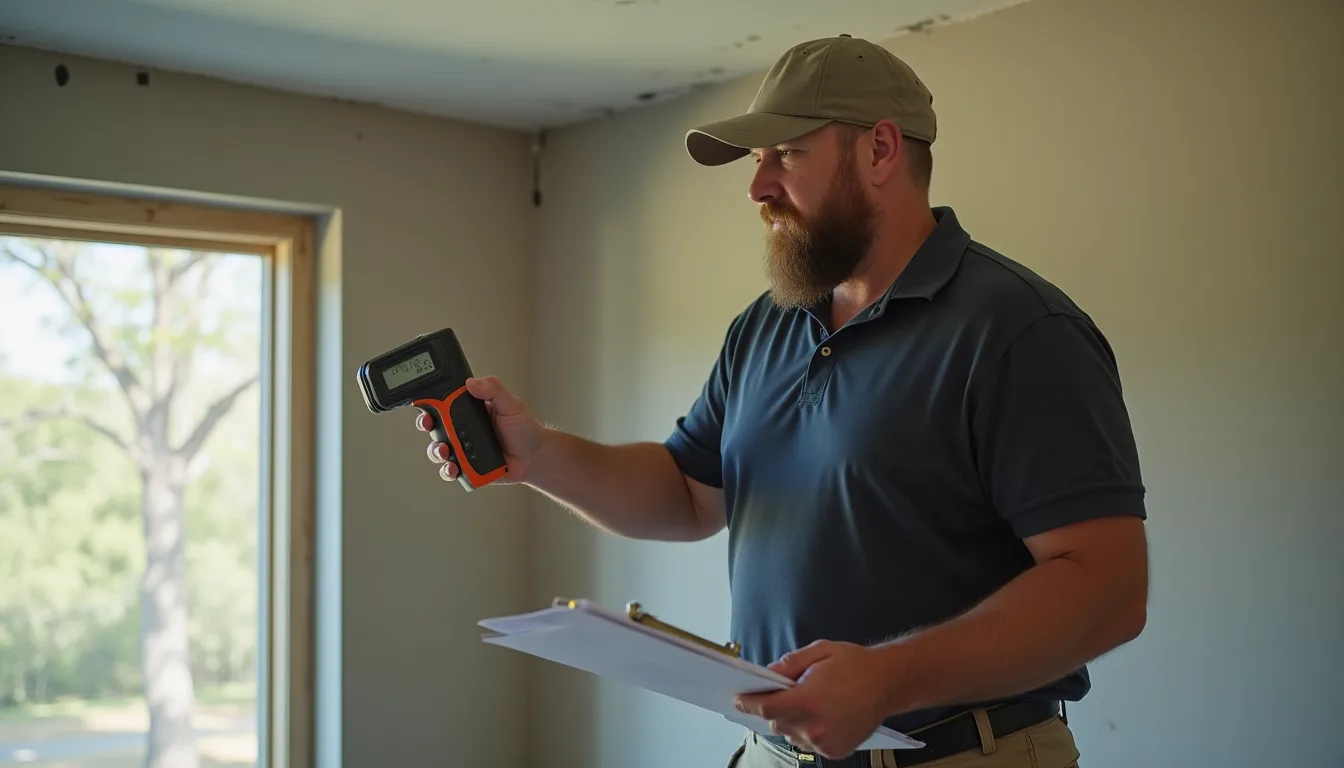
In Denver, the sudden downpours following a hail storm or the thawing snow of spring can lead to unexpected water damage in your home. Imagine waking up to discover water seeping through the ceiling or pooling in your basement. As the temperatures fluctuate, these situations can escalate quickly, requiring immediate attention. Understanding how long professional water damage restoration takes can not only alleviate your anxiety during a crisis but also help you make informed decisions about the steps to take next. This timeline guide aims to equip you with the knowledge needed to address potential water damage issues effectively.
Why This Matters for Denver Homeowners
Water damage is an urgent problem for Denver homeowners, especially given our unpredictable weather patterns and building environments. Expansive clay soils found in many neighborhoods can complicate drainage, making basements particularly vulnerable. According to research, areas with rapid temperature swings and spring thaw cycles face structural stress that could jeopardize your home. Factors like these can transform minor leaks into serious problems within hours.
Without timely intervention, issues like mold growth can escalate swiftly. The cost of neglect can add thousands to your repair bills, not to mention the emotional strain of dealing with home damage. The Denver area’s unique building practices, particularly regarding drainage systems, necessitate expert handling to avoid long-term consequences.
Restoring your home to its pre-damage condition is not just an aesthetic concern; it’s a matter of safety. With the right expertise, most water damage can be addressed promptly, and understanding the timelines involved can mitigate further risks.
Expert Solutions & Actionable Tips
1. Initial Assessment Timing
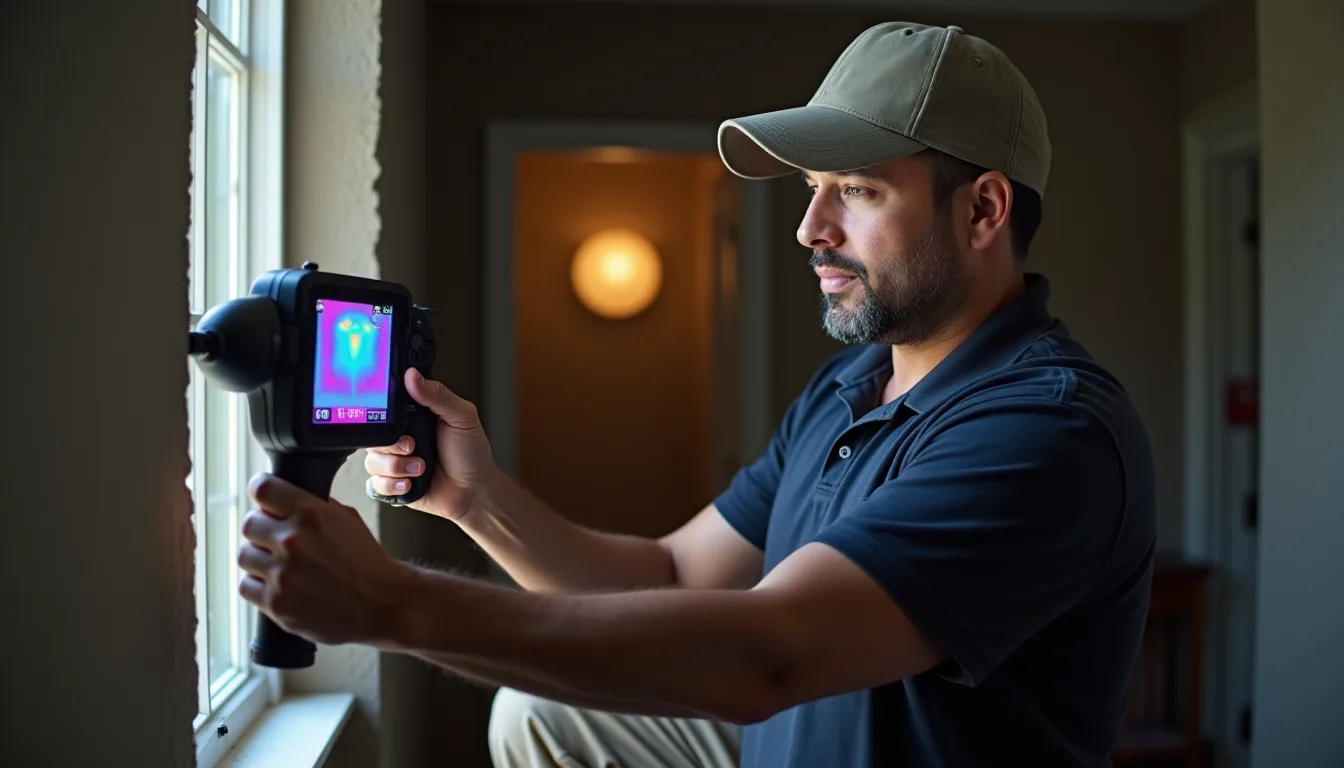
The first step in water damage restoration is assessment, which typically takes 1-3 hours. A professional will arrive to evaluate the extent of the damage, which will involve thermal imaging and moisture meters to detect hidden water. Expect this phase to cost between $200 and $500, depending on the severity of the issue. This assessment sets the foundation for the restoration process.
2. Water Extraction and Drying Process
Once the assessment is complete, water extraction begins immediately, often within 24 hours. Depending on the volume of water, this stage typically lasts 2-3 days. Equipment like industrial pumps and dehumidifiers will be deployed to remove moisture. In Denver, you can expect costs in the range of $1,000 to $3,500 for this phase, especially if there’s significant standing water.
3. Structural Repairs
After the water has been extracted, structural drying is essential before repairs can start. This can take 3-7 days and is critical to prevent mold growth. Costs may vary but generally range from $500 to $2,000. Homeowners often overlook the drying phase, but it's crucial for the integrity of drywall, flooring, and insulation.
4. Mold Remediation Timelines
If mold is detected during the restoration, remediation adds another 3-5 days to the timeline. Depending on the level of contamination, this could also mean additional costs, typically between $800 to $3,500. In Colorado's damp spring climate, proactive mold treatment is necessary to protect your health.
5. Final Repairs and Restoration
The conclusion of the restoration process involves repairs and cosmetic fixes, which can take anywhere from 1-2 weeks depending on the damage's extent. Homeowners may spend between $2,000 and $10,000, factoring in labor and materials. It’s important to ensure that all restoration complies with local building codes.
6. Insurance Communication
Getting the insurance aspects sorted can introduce delays. This process usually spans 1-3 weeks as you liaise with your provider about claims. Documenting the damage thoroughly can encourage a smoother interaction and faster resolutions, ensuring you maximize your coverage.
Denver Climate & Local Context
Denver's climate frequently presents unique challenges for homeowners, particularly concerning water damage. The rapid temperature fluctuations in spring exacerbate wear on residential structures, especially those built on expansive soils that swell and contract based on moisture levels. This can lead to foundation problems that make efficient drainage critical.
Additionally, local building codes may require specific drainage systems to manage water runoff effectively, addressing the risk of flooding during the heavy snowmelt. Familiarity with these codes is essential when planning for restoration, as non-compliance can result in future complications.
Discussion with local inspectors or builders about preventative measures can also aid homeowners in tackling potential water-related issues ahead of time.
When to Call a Professional
Understanding when to tackle water damage yourself and when to call in a professional can be a game changer. While some minor leaks may seem manageable, specific situations warrant professional intervention to avoid further complications.
- You notice water pooling that you can't track.
- Walls or floors show signs of discoloration or mold.
- Water has reached electrical outlets or wiring.
- There’s flooding impacting multiple rooms.
- Significant structural shifts or cracks are apparent.
In these scenarios, a professional service like AmazingPro Emergency Water Damage will possess the expertise and tools necessary for an effective restoration. DIY gives a false sense of security; the true cost of inaction can exceed what it would take to call in the experts.
Frequently Asked Questions
What should I do immediately after discovering water damage?
First, ensure your safety by turning off power to affected areas. Then, contact AmazingPro Emergency Water Damage for a swift assessment and support tailored to Denver's conditions.
How long does it take for mold to grow after water damage?
Mold can start developing as quickly as 24-48 hours after water exposure, so prompt action is crucial. Contacting a professional early on significantly reduces this risk.
Will my homeowner's insurance cover water damage restoration?
Coverage depends on your specific policy and the water damage's origin. It's advisable to review your policy and consult your insurance provider for clarity on claims related to water damage.
Are there specific regulations for water damage restoration in Denver?
Yes, Denver has building codes that regulate water damage restoration practices. It's essential to follow these when undertaking repairs to avoid potential fines or additional issues later.
What is the average cost for full water damage restoration in Denver?
Costs can vary widely based on the severity of the damage, but expect to spend anywhere from $1,500 to $8,000 for comprehensive restoration services, depending on the level of intervention needed.
Get Expert Water Damage Restoration Service in Denver
Dealing with water damage can be overwhelming, but you are not alone. For quick and professional assistance in Denver, contact (719) 230-3060 today. AmazingPro Emergency Water Damage is here to help you reclaim your home.
Don’t let water damage linger; call us now and let our specialized team restore your peace of mind.
Related Services
More Articles
Common Water Damage Restoration Myths Debunked by Denver Experts
2026-04-19
Water Damage RestorationHow Denver Weather Affects Your Home: Water Damage Restoration Prevention Tips
2026-04-19
Water Damage RestorationWhat to Expect During a Professional Water Damage Restoration Assessment
2026-04-19