Water Damage Restoration and Your Home's Foundation: What You Need to Know
Published: 2026-04-19 · By AmazingPro Emergency Water Damage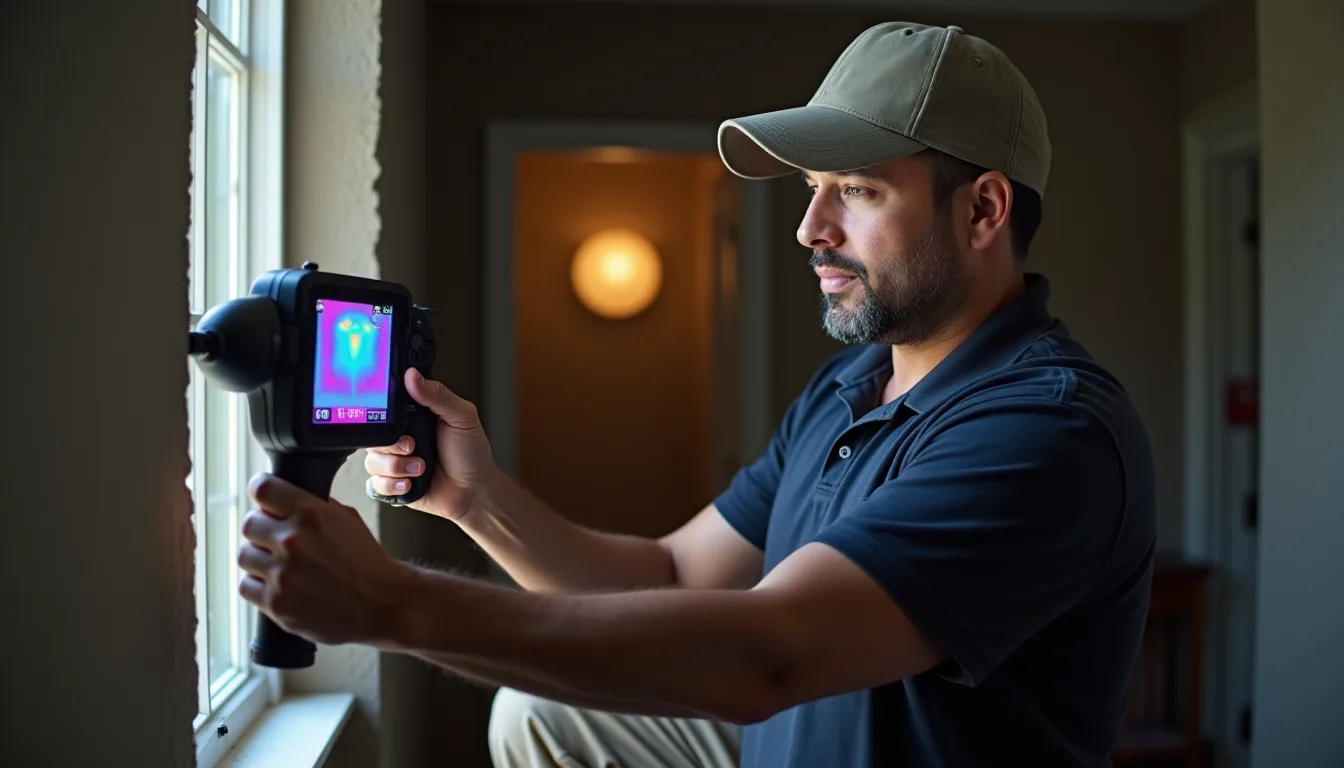
Imagine waking up one spring morning in Denver, only to discover a soaked carpet and swollen drywall due to an unexpected water leak. With the rapid freeze-thaw cycles and heavy snowmelt that often plague our city, such incidents are unfortunately common for homeowners. As these weather conditions wreak havoc on foundations, it’s crucial to understand how water damage can impact your home, particularly during the tumultuous seasons. Addressing water damage early not only saves money but also protects your property’s integrity over time.
Why This Matters for Denver Homeowners
Denver homeowners should be aware that the region's unique climate creates ideal conditions for water damage. With expansive clay soils, many properties require specific drainage solutions to manage the runoff during periods of heavy rain or snowmelt. When water accumulates around the foundation, it can lead to significant structural issues, including cracking walls, shifting foundations, and ruined interiors.
Rapid temperature swings in the spring further complicate these challenges. The freeze-thaw cycles can cause the soil to expand and contract, putting stress on home foundations. Any existing water intrusion can exacerbate these issues, leading to even greater risks.
As the seasons change, being proactive about your home’s health is paramount. Water damage during late winter and early spring can compromise the entire structure. Therefore, understanding the signs and implications is crucial for safeguarding your investment.
Expert Solutions & Actionable Tips
1. Understanding Your Home's Drainage Needs
In Denver, the unique soil types demand tailored drainage solutions to mitigate water risks. Homes built on expansive clay can experience serious challenges when the soil becomes saturated. You may need to invest in a sump pump installation, which can range from $1,200 to $3,000 depending on the system's complexity. Ensure your gutters are clear and direct rainwater away from your foundation—this simple maintenance can save thousands in damage.
2. Signs of Water Damage to Look For
Being vigilant can save you significant money. Common signs include musty odors, mold growth, water stains, or peeling paint on walls. If you notice any of these signs, quickly check your foundation for cracks or leaks. An initial assessment can cost around $100, but it’s a worthy investment to prevent more serious issues down the line.
3. Foundation Repair Costs in Denver
Should you face major foundation issues, repair costs can vary widely. Basic repairs may start at $2,000, while complete foundation replacement can surge to $30,000 or more. Denver contractors can provide tailored solutions based on the extent of damage and local building codes. Always ask for an inspection report before committing to repairs.
4. DIY Repair Tips: When to Tackle Your Own Fixes
Minor leaks can often be managed with quick DIY fixes. Products like hydraulic cement can repair small cracks for around $40. However, professional involvement is recommended for any substantial water damage. If you’re uncomfortable or unsure, it’s better to call for help.
5. Investing in Water Damage Insurance
Protecting your investment with adequate insurance coverage is crucial. In Denver, standard homeowner policies might not cover certain water damage scenarios. Review your policy to ensure it includes protection against flooding or sewage backups, which could save you thousands in repair costs.
6. Getting Professional Help: What to Expect
Should you encounter significant water damage, hiring a professional restoration service like AmazingPro Emergency Water Damage is vital. Services generally start around $1,500 for mitigation following a flood. They can provide comprehensive evaluations of mold risks and damage assessments to prevent further issues.
Denver Climate & Local Context
Denver's climate is notorious for its extremes, oscillating between heavy snow in the winter and warm, dry conditions in the summer. When snow melts rapidly in spring, it can lead to significant runoff and potential flooding for many local homeowners. Additionally, the city’s building stock often includes older homes that may not have updated drainage systems, increasing the risk of water damage over time.
Local building codes in Denver emphasize the need for effective drainage solutions, particularly for homes built on expansive clay soils. Homeowners must ensure proper grading, install rainwater diverters, and comply with any local codes regarding sump pumps and drainage systems to protect their properties from water damage.
When to Call a Professional
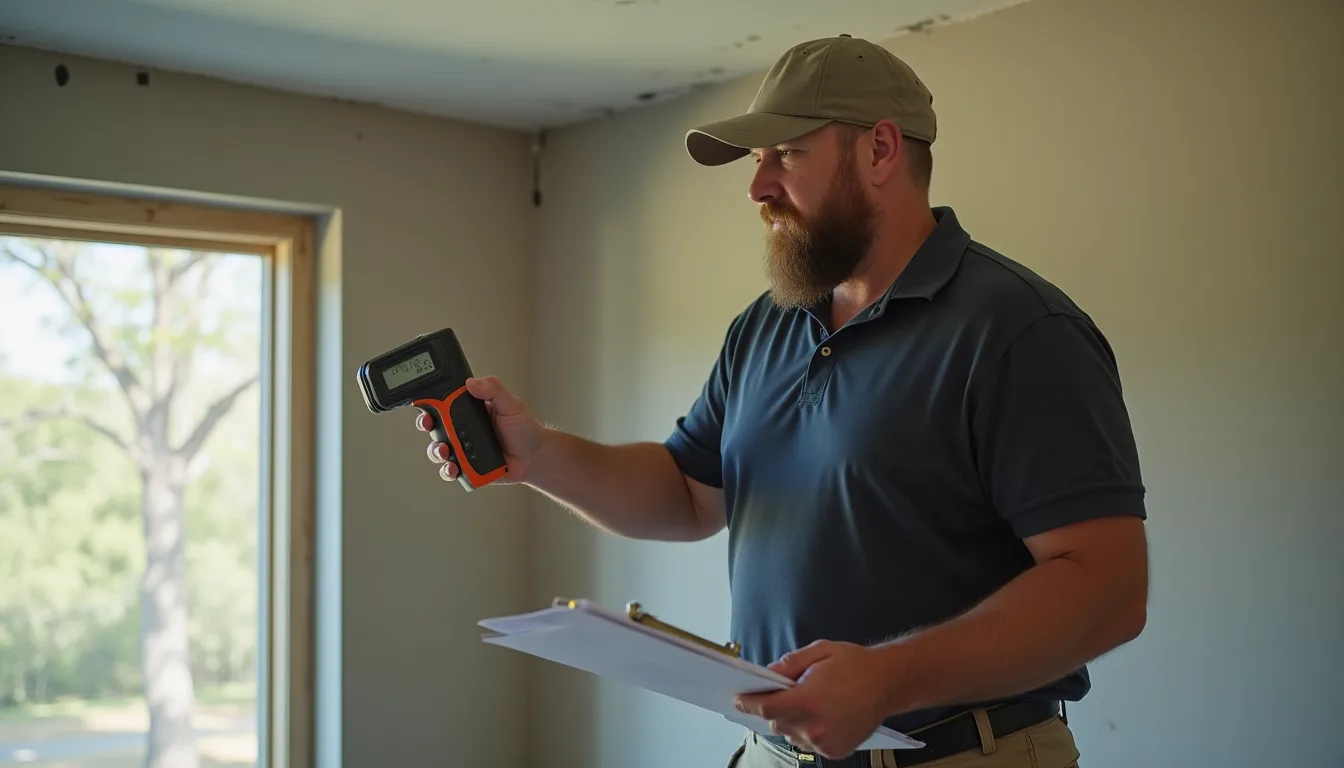
Deciding whether to handle water damage repairs yourself or to call in a professional can be challenging. If you encounter minor leaks, DIY can be a cost-effective solution. However, significant damage should always be assessed by experts, as they can provide comprehensive diagnostics and repair services that most homeowners may lack the expertise to handle.
- Visible mold growth on walls
- Water seeping through cracks
- Stained ceilings or walls
- Flooding in multiple rooms
- Foundation cracks wider than a quarter-inch
- Persistent musty odors
- Signs of wood rot in structures
If you find yourself facing any of these issues, err on the side of caution and reach out to professionals who specialize in water damage restoration.
Frequently Asked Questions
What are the common causes of water damage in Denver homes?
In Denver, the primary causes include excessive snowmelt, rapid rainfall during summer storms, and poorly maintained drainage systems that fail to divert water properly.
How can I prevent water damage in my home?
Regularly maintaining your gutters, ensuring proper grading around the foundation, and installing a sump pump can help prevent water from accumulating around your home's foundation.
When should I call a professional for water damage?
If you notice extensive water damage, mold growth, or any structural integrity concerns, it’s essential to call AmazingPro Emergency Water Damage immediately for a thorough inspection.
Does homeowner insurance cover water damage?
It often depends on the specific policies. Many homeowner insurance policies cover sudden and accidental water damage but may not cover damage from flooding without special riders, so thorough review is advised.
What should I do immediately after a water leak is discovered?
Turn off the water source if possible and remove any valuables from the affected area. Contact AmazingPro Emergency Water Damage for rapid response and assessment to limit damage further.
Get Expert Water Damage Restoration Service in Denver
Your home deserves the best protection against water damage. Don’t wait until it’s too late. If you suspect your home is dealing with moisture issues, please call (719) 230-3060 for a consultation. AmazingPro Emergency Water Damage is here to provide expert solutions tailored to Denver’s unique challenges.
Let us help you safeguard your home’s foundation and integrity today!
Related Services
More Articles
Common Water Damage Restoration Myths Debunked by Denver Experts
2026-04-19
Water Damage RestorationHow Denver Weather Affects Your Home: Water Damage Restoration Prevention Tips
2026-04-19
Water Damage RestorationWhat to Expect During a Professional Water Damage Restoration Assessment
2026-04-19